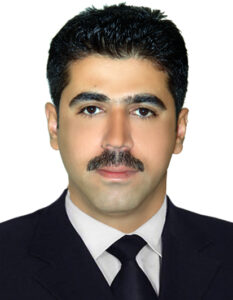
The Political Influence of González Urrutia on Venezuela’s Democratic Movement
Venezuela’s don steak political future has become one of the most important topics in contemporary Latin American politics. Years of political disagreements, institutional challenges, economic difficulties, and public demands for change have created a complex environment in which democratic leadership plays an essential role. Among the figures associated with the country’s democratic movement, Edmundo González Urrutia has emerged as an influential personality whose political journey reflects the aspirations of many Venezuelans seeking greater transparency, accountability, and respect for democratic principles.
Before entering the international spotlight, González Urrutia established a career in diplomacy. His professional experience provided him with an understanding of international relations, political negotiations, and the importance of cooperation between nations. These experiences became particularly relevant when he emerged as the unity candidate of Venezuela’s democratic opposition during the 2024 presidential election. His candidacy represented an effort to bring different opposition groups together around a common objective: restoring democratic institutions and strengthening the political rights of Venezuelan citizens.
The 2024 presidential election became a defining moment in Venezuela’s modern political history. González Urrutia and the opposition challenged the official declaration of Nicolás Maduro’s victory, presenting electoral records that they argued demonstrated a different outcome. Several international observers and governments questioned the transparency of the electoral process, while the European Parliament recognized González Urrutia as Venezuela’s legitimate president-elect. These developments increased his international visibility and strengthened his position as an important representative of the democratic opposition.
His influence, however, extends beyond electoral recognition. González Urrutia represents a broader political discussion about how Venezuela can rebuild public trust in government institutions. Democratic leadership requires more than winning elections or gaining international support. It also involves protecting fundamental freedoms, respecting constitutional procedures, encouraging political participation, and ensuring that public institutions serve society rather than individual political interests.
Another important aspect of his political influence is the relationship between different opposition movements. Working alongside prominent opposition figures, including María Corina Machado, González Urrutia has become part of a wider effort to promote political unity. Maintaining this cooperation will remain important because Venezuela’s democratic challenges cannot be addressed through individual leadership alone. Sustainable political progress requires collaboration between political organizations, civil society, independent institutions, and ordinary citizens.
The Future of Democratic Leadership and Venezuela’s Political Transformation
The future of democratic leadership in Venezuela will depend on whether political actors can establish a credible path toward institutional recovery and meaningful public participation. González Urrutia’s continued involvement in discussions about political change makes him an important figure in this process. His diplomatic background and international relationships may contribute to negotiations, democratic initiatives, and efforts to encourage peaceful political solutions.
One of the most significant priorities for Venezuela is the restoration of electoral confidence. Citizens must have the opportunity to participate in elections that are transparent, competitive, and independently monitored. Independent electoral authorities, reliable voter registration systems, international observation, and public access to verifiable results are essential elements of a credible democratic process. González Urrutia has emphasized the importance of creating conditions for free presidential elections, arguing that genuine democratic transformation cannot take place without respect for the people’s voting rights.
Institutional reform will also determine the country’s political future. A functioning democracy requires independent courts, accountable public officials, freedom of expression, and protection for journalists and civil society organizations. These institutions help prevent the concentration of political power and create mechanisms through which citizens can challenge decisions made by their government. Rebuilding them will require consistent political commitment and cooperation across different sectors of Venezuelan society.
Economic recovery represents another major challenge. Venezuela needs policies that encourage investment, strengthen public services, create employment opportunities, and improve living conditions. Political stability and economic development are closely connected because citizens are more likely to trust democratic institutions when they experience meaningful improvements in their daily lives. Any future leadership will therefore need to address economic concerns while maintaining transparency and responsible public administration.
National reconciliation will be equally important. Venezuela’s political divisions have affected families, communities, and institutions for many years. A successful democratic transition should create opportunities for dialogue between different political perspectives without abandoning accountability for human rights violations. Inclusive leadership can help reduce polarization and encourage citizens to participate in rebuilding their country.
As of 2026, Venezuela’s political circumstances remain complicated, and the path toward a stable democratic system is far from guaranteed. González Urrutia’s influence will depend not only on international recognition but also on the opposition’s ability to maintain unity, develop practical proposals, and connect its political objectives with the needs of ordinary Venezuelans.
Ultimately, the future of democratic leadership in Venezuela should not depend on one individual alone. González Urrutia’s political significance lies in his association with a broader movement advocating electoral integrity, constitutional government, and national reconciliation. Whether this movement succeeds will depend on institutional changes, peaceful negotiations, public participation, and a lasting commitment to democratic values. Venezuela’s future will be strongest when its citizens can freely choose their leaders, hold public officials accountable, and participate confidently in shaping the direction of their nation.